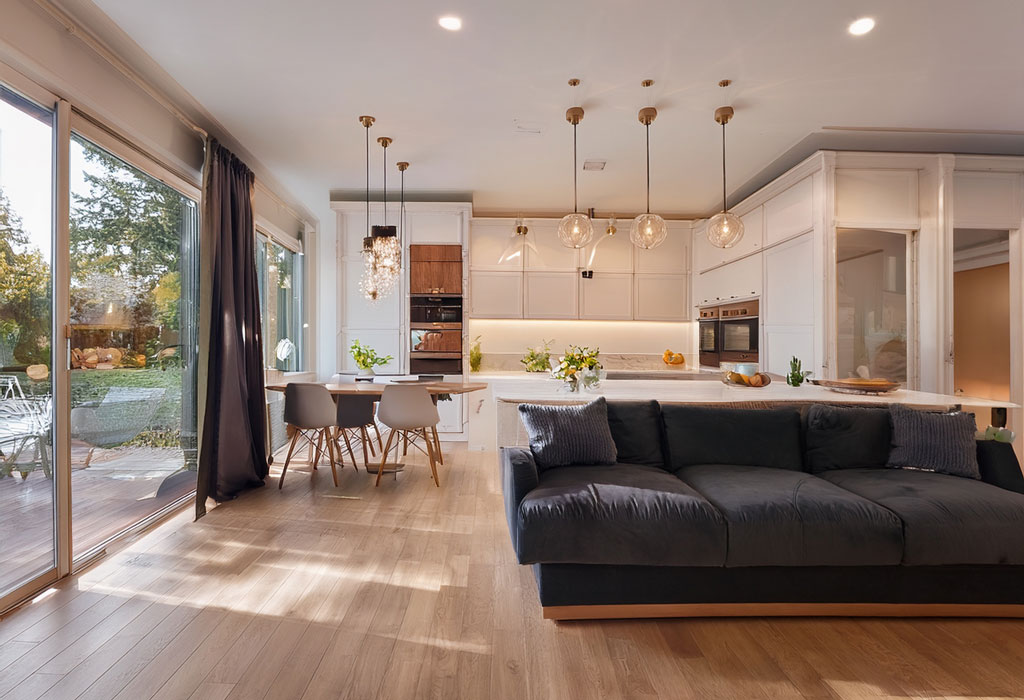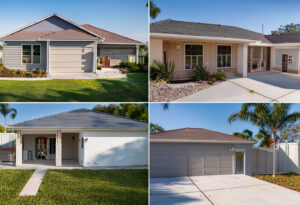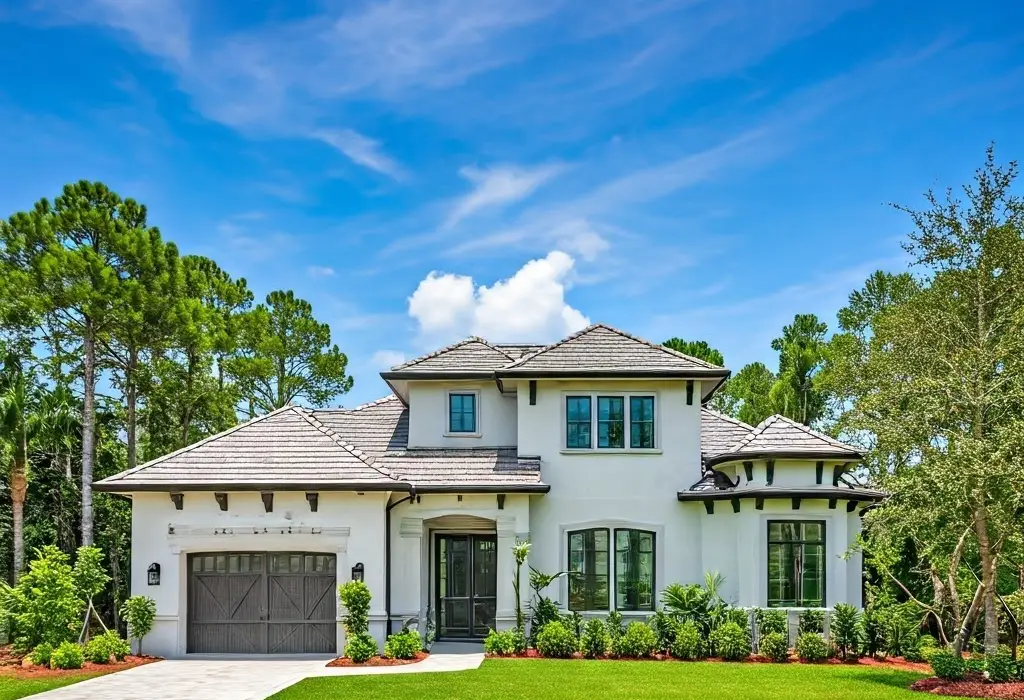
Smart home build compared to a traditional home
CategoriesCustom Home

Smart vs Traditional Homes: Why More Homeowners Are Choosing a Smart Home Build

🏠 Introduction: Why More Homeowners Are Choosing a Smart Home Build

In today’s fast-moving, tech-driven world, more buyers are rethinking what they want in a new home—and for good reason. The choice between a smart home build and a traditional home is no longer just about preferences. It’s about efficiency, convenience, and long-term value.

From automated lighting and climate control to enhanced security and energy savings, a smart home build provides features that go far beyond what traditional homes offer. At Greenland Development Group, we’ve seen firsthand how this trend is transforming the way homes are built in Florida.

In this post, we’ll break down:

  • What makes a home “smart” How a smart home build compares to traditional construction
  • Long-term benefits for owners and investors
  • Why now is the best time to build smart with Greenland

🔍 What Is a Smart Home Build?

A smart home build refers to a new-construction home that includes integrated smart technology from the ground up. Unlike older homes that require retrofitting, a smart home build is designed to support automation, energy efficiency, and remote access from day one.

Common Features of a Smart Home Build:

  • Smart thermostats and energy-efficient HVAC systems
  • Voice-controlled lighting, blinds, and appliances
  • Centralized control via mobile app or smart hub
  • Integrated security systems: cameras, locks, sensors
  • Smart irrigation and water-saving devices
  • Solar panel readiness and EV charger integration

With a smart home build, all systems are designed to work together—resulting in a seamless, connected living experience.

⚖️ Smart Home Build vs Traditional Home: Key Differences

Feature Smart Home Build Traditional Home
Technology Built-in, connected systems Manual or retrofitted devices
Energy Use Highly efficient and automated Often less efficient
Security Advanced, app-controlled systems Basic locks and alarms
Maintenance Preventive via smart alerts Reactive and manual
Convenience Full control via phone or voice Requires manual operation
Resale Value Higher for tech-integrated homes May need upgrades

A traditional home may be cheaper upfront—but it lacks the long-term savings and functionality that a smart home build provides.

💡 Why a Smart Home Build Is More Than Just a Trend

The rise of the smart home is not a fad—it’s a shift in how people think about living spaces. In fact, smart home devices are now found in over 60 million U.S. households, and most future homeowners prefer homes with built-in smart technology.

Key reasons homeowners choose a smart home build:

  • Energy savings and lower monthly bills
  • Greater comfort and automation
  • Advanced safety and peace of mind
  • Higher property value and rental income
  • Future-proof living

Whether you’re a first-time buyer or a seasoned investor, building smart means building for the future.

💰 The Financial Case for a Smart Home Build

Some buyers hesitate due to the slightly higher upfront cost of a smart home build. However, smart homes often save more in the long run than they cost upfront.

How a Smart Home Build Saves You Money:

  • Energy bills: Smart HVAC systems and lighting can reduce energy costs by 20–30%
  • Water usage: Smart irrigation prevents overwatering and saves money
  • Maintenance: Smart sensors detect problems early (like leaks or system malfunctions)
  • Insurance: Many providers offer discounts for homes with smart security systems
  • Resale: Homes with smart features sell faster and for more money

With a smart home build, you’re investing in long-term savings and higher property value.

🔐 Better Security Starts with a Smart Home Build

Homeowners today want security that works 24/7—and a smart home build delivers exactly that.

Smart Security Features Built into New Homes:

  • Video doorbells with real-time alerts
  • Motion-activated cameras and lights
  • Smart locks with remote access
  • Window and door sensors
  • Integrated alarm systems

Traditional security systems are often installed as an afterthought. But with a smart home build, security is part of the infrastructure.

Greenland Development Group works with you to choose the right smart security features during the design phase—so your family and property are protected from day one.

📱 Total Home Control, Anytime, Anywhere

The biggest reason people choose a smart home build? Total convenience.

Control everything—from lights to locks to your thermostat—right from your smartphone or voice assistant.

Smart Automation Examples:

  • Set routines like “Good Morning” or “Bedtime”
  • Adjust the thermostat before you get home
  • Unlock the door for guests remotely
  • Turn off all lights with one voice command
  • Get alerts if windows are left open

Traditional homes can’t compete with the convenience and personalization a smart home build offers.

🌿 Sustainability Built into Every Smart Home Build

A smart home build isn’t just about convenience—it’s also about eco-conscious living.

Eco-Friendly Smart Features:

  • Smart lighting (LED, motion-sensitive)
  • Energy monitoring dashboards
  • Solar-ready electrical systems
  • Smart appliances that use less water and power
  • EV charging stations pre-installed

Greenland homes are built to meet and exceed Florida’s energy efficiency standards, ensuring your smart home is also a green home.

🏨 Smart Home Builds Are Ideal for Build-to-Rent Investors

If you’re building investment properties, a smart home build gives you the edge in a competitive rental market.

Investor Benefits:

  • Higher rent potential due to modern amenities
  • Lower maintenance costs (predictive maintenance alerts)
  • Reduced vacancy—tenants prefer smart homes
  • Remote monitoring and control for landlords
  • Energy-efficient utilities lower tenant expenses

Greenland Development Group helps investors build duplexes, townhomes, and multifamily smart homes that are profitable, scalable, and in demand.

♻️ Smart Home Builds Are Future-Ready

Smart technology evolves—but a smart home build is ready for what’s next.

Because these homes are wired and designed to grow with you, it’s easier to add:

  • Smart home offices
  • Home theaters
  • Multi-zone audio
  • Solar power and battery storage
  • Home automation upgrades

Traditional homes require expensive retrofitting to keep up. A smart home build is designed with adaptability in mind.

🏗️ Why Greenland Development Group Is Florida’s Smart Home Builder

At Greenland Development Group, we don’t just build homes—we build smarter living spaces.

What Sets Our Smart Home Builds Apart:

  • Fully customizable designs with your smart goals in mind
  • Tech-ready construction integrated from the start
  • Partnerships with trusted smart home system vendors
  • Local Florida expertise and energy-efficient planning
  • Build-to-rent options for investors and developers

From Orlando to Tampa to Lakeland, we’re helping Florida homeowners and investors create connected, secure, and future-ready homes.

📞 Ready to Start Your Smart Home Build?

Whether you’re planning your dream home or expanding your investment portfolio, now is the time to choose a smart home build.

Let Greenland Development Group help you build smarter, live better, and save more.

📍 Serving Central Florida: Orlando | Tampa | Lakeland
📞 Call: 689-245-2506
📧 Email: info@greenlanddevelopmentgroup.com
🌐 Schedule a Free Consultation
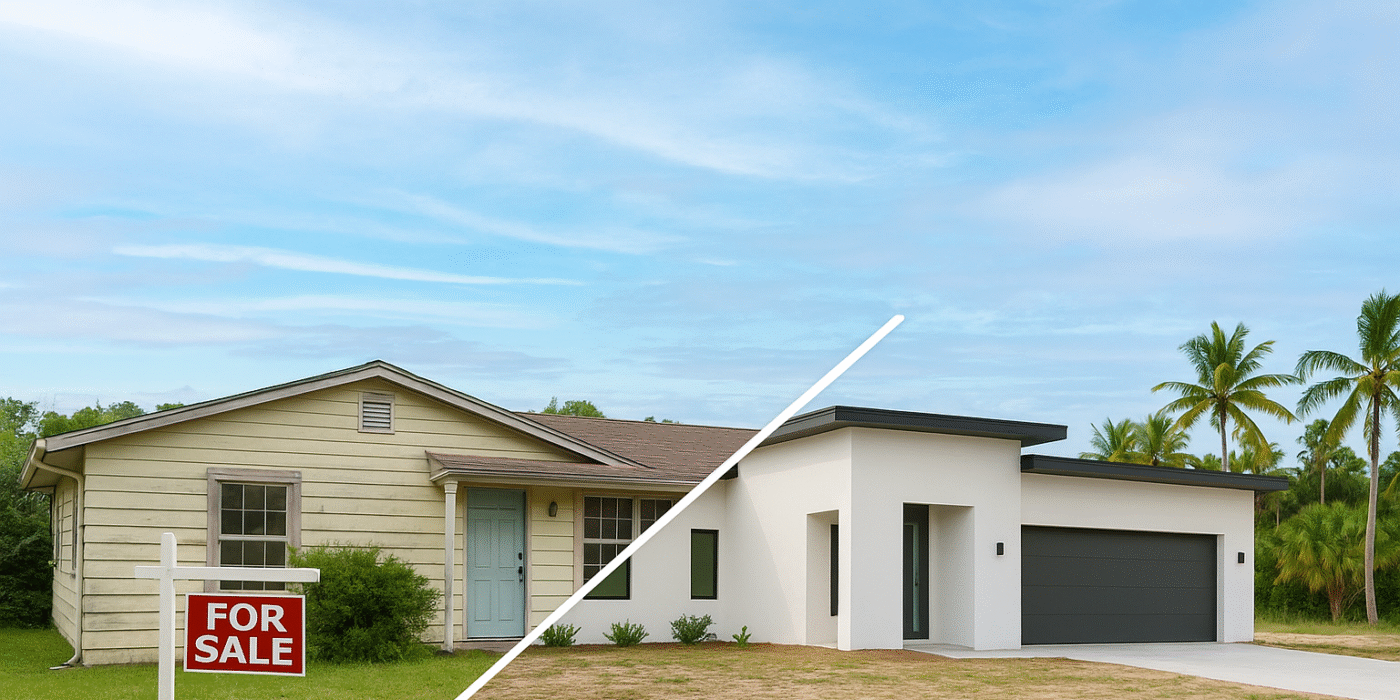
Old Homes vs New Affordable Homes Built on Your Land in Florida
CategoriesHome Purchase New Construction

Build vs Buy: Why Affordable Homes on Your Own Land Offer More Value

Introduction: The Choice Between Building and Buying

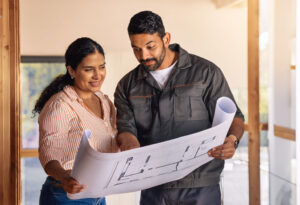
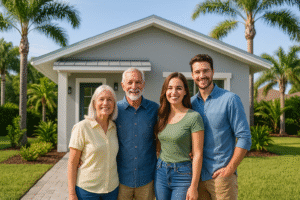
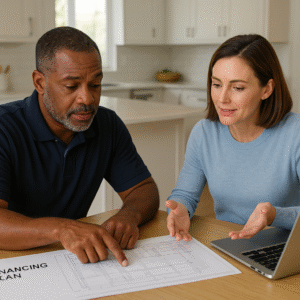
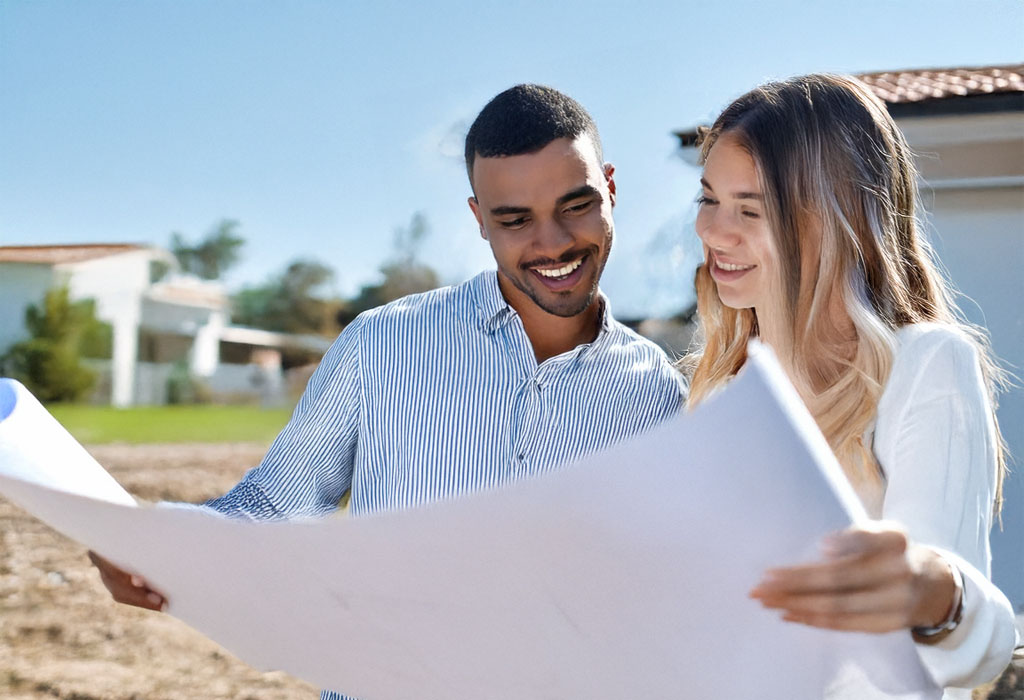
Young couple planning a custom home build on their land in Florida

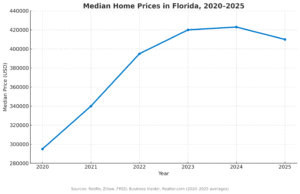
As home prices continue to rise across Florida, more families are looking for alternatives to the traditional real estate market. One increasingly popular option is choosing affordable homes built on your land, especially in areas where lot ownership is common and available inventory is limited.

Choosing affordable homes built on your land can provide the flexibility many families are seeking in today’s market.

But how does building stack up against buying an existing home?

In this article, we’ll explore the costs, benefits, and trade-offs of both paths—and explain why, in many cases, building affordable homes built on your land offers better value, flexibility, and long-term rewards.

Many families are now considering affordable homes built on your land as a viable solution to meet their housing needs.

If you already own land or are thinking about purchasing a homesite, this guide will give you the knowledge and confidence to make a smart decision.

The Rising Cost of Buying an Existing Home

Graph showing rising home prices in Florida

  • Inventory is low, driving up competition and prices
  • Older homes may require costly repairs or upgrades
  • Customization is limited, meaning compromises on layout or design
  • High interest rates are affecting affordability and monthly payments

Many homebuyers end up paying more for less—a home that’s not ideal, in a neighborhood that wasn’t their first choice, and with features that don’t fully match their needs.

This trend towards affordable homes built on your land is reshaping how families approach homeownership.

Why Building on Your Land Can Be a Better Investment

1. More Home for Your Money

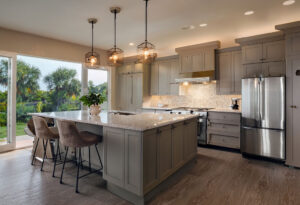
Modern kitchen in a newly built affordable custom home

  • Avoid paying for outdated materials or poor layouts
  • Invest in energy-efficient features that lower long-term costs
  • Customize the design to fit your lifestyle without expensive renovations later

With the right general contractor (like Greenland Development Group), you can build a high-quality home tailored to your needs—often for less than the cost of a comparable resale home.

By choosing affordable homes built on your land, you can also enhance your investment potential.

2. Built-In Equity from Day One

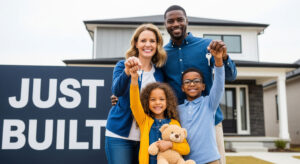
Family gaining instant equity by building a home on their land

When you build on your own land, you’re not just buying a home—you’re creating an asset. Many homeowners find that their completed home is worth more than what they paid to build it, giving them instant equity. This opens the door to future refinancing, home equity loans, or a stronger resale position.

Homeowners find that building affordable homes built on your land often leads to significant long-term benefits.

3. Greater Design Flexibility

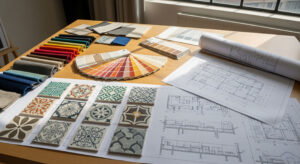
Design choices available for custom home construction

  • Open-concept or traditional layouts
  • Number of bedrooms and bathrooms
  • Kitchen size and finish options
  • Garage, porch, or bonus rooms
  • Aging-in-place features or multigenerational setups

4. Modern Materials and Energy Efficiency

Comparison of energy efficiency in older vs newer homes

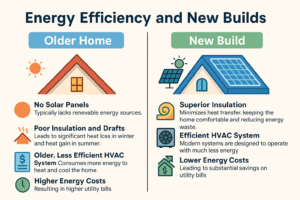
New homes use current building codes, better insulation, and energy-efficient HVAC, plumbing, and electrical systems—saving you thousands over time. In contrast, buying an older home may involve high utility bills, repairs, and retrofit costs.

5. Better Use of Your Land

Home built on land with detached garage and garden space

With careful planning, affordable homes built on your land can be customized to meet your family’s specific needs.

  • Maximize yard space
  • Add a detached garage, shed, or guest unit
  • Orient the home for views, shade, or privacy
  • Ensure space for pets, kids, or a garden

Common Misconceptions About Building

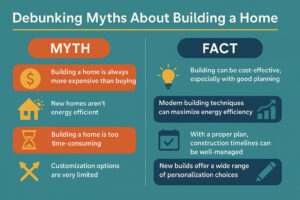
❌ “Building Is Always More Expensive”
✅ With smart planning, you can often build for less per square foot than buying. Especially true in rural or suburban Florida where land is already owned or more affordable.

❌ “It Takes Too Long”
✅ At Greenland Development Group, we specialize in streamlined construction timelines. Many of our affordable builds are completed in 4–7 months, depending on design.

❌ “It’s Complicated”
✅ We handle everything—from permitting to final walkthrough. You’ll have a dedicated project manager guiding you every step of the way.

Many people are discovering the advantages of affordable homes built on your land, from cost savings to personalization.

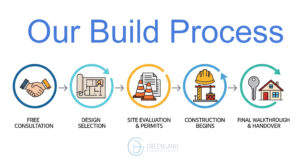
The Build Process — What to Expect

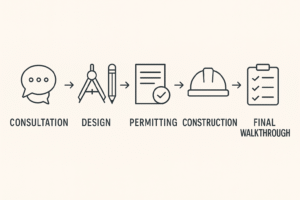
  1. Free Consultation: We evaluate your land, needs, and budget to recommend the best-fit home plan.
  2. Design Selection: Choose from our curated collection of efficient, stylish home plans—or bring your own ideas.
  3. Site Evaluation & Permits: We check zoning, utilities, and handle all permits so you’re fully compliant with local laws.
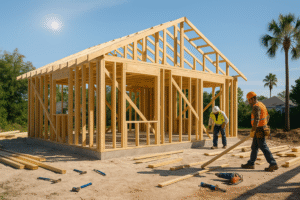
  4. Construction Begins: We manage everything from foundation to finishes using vetted local crews and premium materials.
  5. Final Walkthrough & Handover: Once complete, we walk through the home with you to ensure every detail is perfect.

Real Cost Comparison — Build vs Buy

When evaluating your options, consider how affordable homes built on your land can help you achieve your goals.

Category Buying Resale Home Building on Your Land
Purchase Price $350,000 (avg) $250,000–$325,000 (avg)
Repairs/Upgrades $15,000–$50,000 $0 (brand new systems)
Energy Efficiency Low High (modern code)
Customization Options Very limited Full control
Closing Costs/Fees Higher Often lower
Long-Term Maintenance Higher Lower

Result: Building typically offers better ROI and lower total cost of ownership—especially if you already own land.

Who Is Building on Their Land in Florida?

Building on your land isn’t just for rural homesteaders. Our clients include:

  • First-time homebuyers
  • Retirees seeking a downsized custom home
  • Families with multigenerational living needs
  • Investors building rentals or ADUs
  • Homeowners tired of losing bidding wars

With the right team, building is now more accessible—and more affordable—than ever.

Why Choose Greenland Development Group?

We specialize in affordable custom homes built on your land—with an unmatched focus on transparency, quality, and client experience.

  • ✅ Licensed Florida general contractor
  • ✅ Pre-designed and custom floor plans
  • ✅ Transparent pricing and project timelines
  • ✅ Start-to-finish support including permits, utilities, and inspections
  • ✅ Local knowledge of Central Florida and beyond

Whether you’re building on acreage, an infill lot, or a suburban parcel—we’re here to help you maximize value and minimize stress.

Final Thoughts: Should You Build or Buy?

If you already own land—or plan to buy land soon—building a home is one of the smartest financial and lifestyle decisions you can make.

The decision to build affordable homes built on your land is a commitment to both financial prudence and personal satisfaction.

With today’s construction options and the support of an experienced general contractor like Greenland Development Group, it’s more achievable than ever to build your dream home without breaking the bank.

Ready to Build an Affordable Homes on Your Land?

Find out how affordable homes built on your land can transform your living situation and investment outlook.

Let’s turn your land into the home you’ve been waiting for.

📞 Call: 689-245-2506
📧 Email: info@greenlanddevelopmentgroup.com
🌐 Learn More: www.greenlanddevelopmentgroup.com

Contact us today to learn more about our approach to affordable homes built on your land.

CategoriesGeneral Contractor Home Remodel

What to Expect from a Luxury Home Remodel with a General Contractor

Introduction: Redefining Spaces with Luxury Home Remodels

Remodeling a home isn’t just about upgrading a few finishes—it’s about elevating your entire living experience. For many Florida homeowners, luxury home remodels offer the opportunity to transform a good home into a dream residence tailored to their taste, lifestyle, and long-term goals.

But success in a luxury remodel depends heavily on one key factor: working with the right general contractor. At Greenland Development Group, we understand that upscale renovations require expert coordination, attention to detail, and a commitment to craftsmanship that exceeds expectations.

This guide breaks down what you can expect when undertaking a luxury home remodel with a general contractor—from planning and budgeting to design execution and final walkthrough.

Why Homeowners Choose Luxury Remodels

Before diving into the process, it’s worth understanding why so many homeowners in Florida and beyond are investing in high-end renovations:

  • Modernize outdated spaces with premium finishes and open layouts
  • Add value to their property in competitive housing markets
  • Create functional, personalized environments (home offices, theaters, spas)
  • Improve energy efficiency with new systems and smart home tech
  • Enhance lifestyle with features like chef’s kitchens or indoor-outdoor living spaces

Whether you’re remodeling to improve resale potential or simply to enjoy the home you’ve always wanted, the journey begins with selecting the right general contractor.

Step 1: Initial Consultation and Vision Planning

Every successful luxury home remodel starts with a deep understanding of the homeowner’s goals. During your initial consultation with a general contractor, expect to:

  • Discuss lifestyle needs, design preferences, and long-term plans
  • Walk through your existing home to assess layout and structural constraints
  • Share inspiration images, Pinterest boards, or Houzz collections
  • Explore preliminary budget ranges and potential timelines
  • Review your neighborhood’s zoning regulations or HOA rules (if applicable)

At Greenland Development Group, we view this phase as collaborative. The more detailed your vision, the more tailored and accurate our project roadmap can be.

Step 2: Budget Development and Scope Definition

One of the most important stages in luxury remodeling is budget clarity. Your general contractor will help you define realistic cost expectations based on:

  • Scope of work (full remodel vs. room-specific updates)
  • Materials selected (custom cabinetry, imported stone, smart systems)
  • Labor and permits
  • Architectural or engineering services (if structural changes are needed)

We also recommend including a contingency fund of 10–15% for unexpected expenses or upgrades. Transparency from your contractor during this stage builds trust and helps avoid scope creep later.

Pro tip: Ask for a detailed line-item estimate. This improves accountability and lets you weigh optional upgrades without guesswork.

Step 3: Design Phase & Pre-Construction Planning

With your scope and budget aligned, the design process begins. This is where luxury projects come to life—and your contractor will play a central role in managing every moving part.

Expect your general contractor to:

  • Coordinate with interior designers or architects
  • Source materials and finishes
  • Secure permits and approvals
  • Draft detailed construction schedules
  • Identify lead times for custom items
  • Conduct pre-construction walkthroughs to finalize logistics

At Greenland Development Group, we leverage our in-house team and trusted partners to simplify the design-to-build process. You’ll have access to material samples, renderings, and a construction timeline before any demolition begins.

Step 4: Construction and Project Management

Once demolition begins, your contractor becomes the captain of the ship. Their role is to ensure:

  • Work is executed according to plan and code
  • High-quality craftsmanship from subcontractors
  • Timely scheduling to avoid unnecessary delays
  • Daily or weekly updates so you’re never left guessing
  • Site cleanliness and professionalism at all times
  • Client walkthroughs at key milestones

Luxury remodels often involve complex phases like moving walls, relocating plumbing, or installing specialty fixtures—making experienced project management non-negotiable.

Greenland Development Group uses project management software and on-site supervision to ensure your remodel stays on track from day one to final detail.

Step 5: Final Walkthrough and Quality Assurance

Once construction wraps up, you’ll walk through your new space with your contractor to:

  • Inspect finishes, paint, hardware, appliances, and custom work
  • Note any final adjustments or punch list items
  • Review warranties, manuals, and care instructions
  • Receive a final project binder for documentation

A luxury home remodel isn’t complete until every finish is flawless and every system is functional. Your contractor should not only meet code, but exceed your expectations.

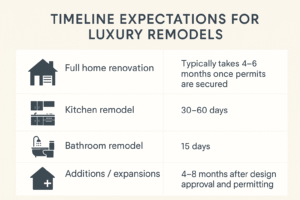
Timeline Expectations for Luxury Remodels

Remodeling timelines can vary based on scope, design complexity, and permitting requirements. Below are general estimates once key approvals are in place:

Remodel Type Estimated Timeline
Full home renovation Typically takes 4–6 months once permits are secured
Kitchen remodel 30–60 days
Bathroom remodel 15 days
Additions / expansions 4–8 months after design approval and permitting

Please note: Timelines may be affected by custom design selections, permitting approvals, change orders, and client decision-making throughout the project. We work closely with clients to streamline the process and minimize delays wherever possible.

Common Features in High-End Remodels

Here are some of the most requested upgrades in luxury home remodels we’ve completed in Florida:

1. Chef’s Kitchens

  • Quartzite or marble countertops
  • Custom cabinetry
  • Commercial-grade appliances (Wolf, Sub-Zero)
  • Butler’s pantries or wine storage

2. Spa-Inspired Bathrooms

  • Freestanding tubs
  • Heated floors
  • Steam showers with smart controls
  • Custom vanities with backlit mirrors

3. Indoor-Outdoor Living

  • Retractable glass walls
  • Outdoor kitchens and living rooms
  • Poolside cabanas with integrated audio/visual systems

4. Specialty Rooms

  • Home theaters
  • Fitness studios
  • His-and-hers home offices
  • Children’s study/play zones

We help homeowners bring these visions to life with quality craftsmanship and curated material sourcing.

How to Choose the Right General Contractor for Your Remodel

When selecting a general contractor for your luxury home remodel, ask these key questions:

  • Are you licensed and insured in Florida?
  • Can I see a portfolio of high-end projects?
  • Do you provide a detailed project proposal and timeline?
  • How do you manage subcontractors and quality control?
  • Do you offer post-completion support or warranty service?

Greenland Development Group is a trusted Florida general contractor with a proven track record in custom homes, luxury remodels, and build-to-rent projects. We combine design insight with construction expertise—so you get both beauty and structural integrity.

Final Thoughts: Is a Luxury Home Remodel Worth It?

Absolutely—when done right.

A luxury remodel is more than just aesthetic. It’s an investment in your lifestyle, property value, and comfort. With the right general contractor by your side, the process becomes smoother, more predictable, and deeply rewarding.

Whether you’re planning a full-home transformation or a stunning kitchen revamp, Greenland Development Group is here to guide you every step of the way with professionalism, precision, and passion.

Ready to Start Your Remodel?

Contact Greenland Development Group today for a consultation on your next luxury remodel in Central Florida.

📞 Call: 689-245-2506
📧 Email: info@greenlanddevelopmentgroup.com
🌐 Explore Our Work: www.greenlanddevelopmentgroup.com

ADU Construction in florida
CategoriesCustom Home General Contractor Investments New Construction Spec Homes

ADU Construction in Florida: Process, Cost & What to Expect

Introduction

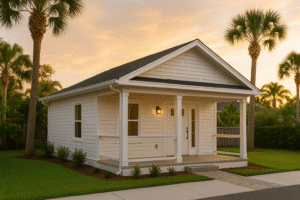
As housing demand rises and multigenerational living becomes more common, Florida homeowners are increasingly turning to ADU construction to unlock the full potential of their property. An ADU, or Accessory Dwelling Unit, offers a flexible way to add living space for family, guests, or rental income—without moving or buying a second property.

At Greenland Development Group, we specialize in full-service ADU construction tailored for Florida homeowners. Whether you’re building a detached guest house, an in-law suite, or converting space above a garage, this guide walks you through everything you need to know—from permitting to pricing.

What Is an ADU?

An Accessory Dwelling Unit (ADU) is a self-contained residential structure located on the same lot as a primary home. ADUs can be detached, attached, or even converted from existing structures (like garages or basements).

Common Types of ADUs in Florida:

Detached ADUs: Separate buildings like guest houses or casitas.
Attached ADUs: Built as an extension of the primary home.
Garage Conversions: Existing garages converted into livable spaces.
Above-Garage Units: New construction above an existing garage.

Florida municipalities are gradually relaxing zoning laws to support more ADU construction, particularly in urban and suburban areas where housing supply is tight.

Why Build an ADU?


Here are the top reasons Florida homeowners pursue ADU construction:

Multigenerational Living: Perfect for elderly parents or adult children.
Rental Income: Long-term rental or Airbnb possibilities.
Property Value: Increases your home’s usable square footage.
Flexible Living: Great for guests, caretakers, or home offices.

Is Your Property Eligible for ADU Construction in Florida?

Before building an ADU, it’s critical to evaluate local requirements. Every county and municipality has its own zoning rules.

Key Factors:

  • Lot size and setbacks
  • Zoning district (single-family, multifamily, etc.)
  • Max unit size (often capped at 800–1,200 sq ft)
  • Parking requirements

Occupancy rules (owner-occupied or rental limits)

At Greenland Development Group, we handle all site feasibility assessments to determine if your lot qualifies.

The ADU Construction Process

Here’s what you can expect when working with a licensed Florida ADU builder like Greenland Development Group:

1. Initial Consultation
We discuss your goals, budget, and timeline, then evaluate your property’s ADU potential.

2. Site Evaluation & Design
Our team conducts zoning research and proposes design options customized to your needs.

3. Permitting & Approvals
We manage the entire permitting process with your local municipality—saving you time and headaches.

4. Construction Phase
Once approved, our construction team handles all phases: site prep, foundation, framing, utilities, roofing, and finishes.

5. Final Walk-Through & CO
After inspections and quality checks, we obtain the Certificate of Occupancy and hand over your new ADU.

Understanding ADU Construction Costs in Florida

ADU construction costs in Florida can vary significantly depending on several factors including location, square footage, access to utilities, design complexity, material choices, and local permitting requirements.

Factors That Influence Cost:

  • Detached vs. attached or conversion
  • Site conditions and grading needs
  • Distance to existing utilities
  • Size and floor plan layout
  • Custom vs. standard finishes

Because of these variables, we provide detailed project-specific estimates during the planning phase. This ensures accuracy and transparency throughout the build.

How Long Does ADU Construction Take?

Most ADU projects take 4 to 8 months from consultation to completion, depending on scope and permit timelines.

Typical Timeline:

    • Planning & Design: 4–6 weeks
    • Permitting: 4–8 weeks
    • Construction: 3–5 months

Greenland Development Group works proactively with city and county offices to minimize permitting delays.

Financing Your ADU

Many homeowners use one or more of the following to fund ADU construction:

  • Home equity loans or HELOCs
  • Cash-out refinancing
  • Construction loans
  • Private lending or partnerships

We can connect you with preferred local lenders who understand ADU-specific lending requirements.

Frequently Asked Questions

Do ADUs require separate utilities?
Not always. Some ADUs share water, sewer, and power with the main house, while others are metered separately.
Can I rent my ADU in Florida?
In most cases, yes—though some cities restrict short-term rentals like Airbnb. We help clarify your local guidelines.
Do I need an architect for ADU construction?
Yes. Our team includes design partners or can work with your architect. Most municipalities require stamped plans.

Why Choose Greenland Development Group for Your ADU?

✅ Licensed & insured Florida builder
✅ Deep knowledge of zoning & permitting
✅ Full-service: from plans to move-in
✅ Track record of on-time, on-budget builds

We make ADU construction stress-free—bringing expert guidance, project transparency, and reliable timelines to every project.

Get a Free ADU Consultation

If you’re considering building an ADU in Central Florida, now is the perfect time to explore your options. Whether you’re looking for more space, long-term value, or rental income, Greenland Development Group can help you bring your vision to life.

👉 Contact us here or call (689) 245-2506 to schedule your free on-site consultation.

Let’s build smarter. Let’s build together.

Hurricane Proof Homes Florida built to last the storm
CategoriesHurricane season New Construction

Hurricane Proof Homes Florida: How We Build for the Storm

Introduction

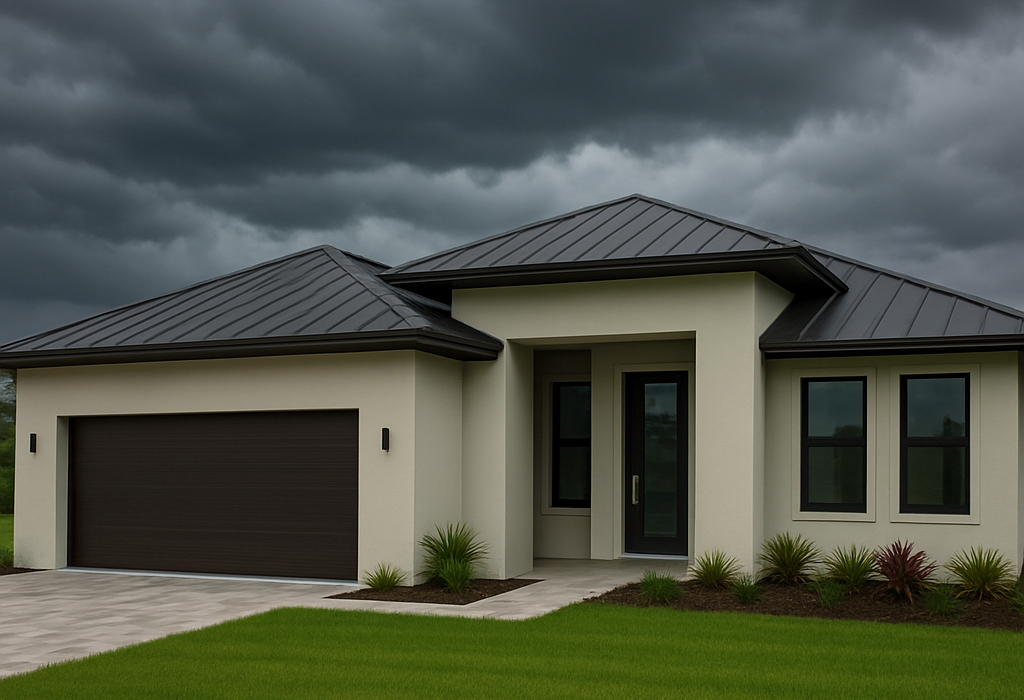
With Florida’s hurricane season becoming more severe and unpredictable, homeowners and property investors are looking for more than just code-compliant houses — they want hurricane proof homes Florida that are built to endure. At Greenland Development Group, we specialize in hurricane-proof homes in Florida, combining structural integrity, weather-tested materials, and thoughtful design to deliver safety, durability, and peace of mind.

In this article, we’ll walk you through how our team builds storm-resilient homes that go beyond minimum code requirements — and why that matters more than ever.

Hurricane proof homes Florida are becoming increasingly popular as families seek reliable shelter during storms.

What Makes a Home Hurricane-Proof?

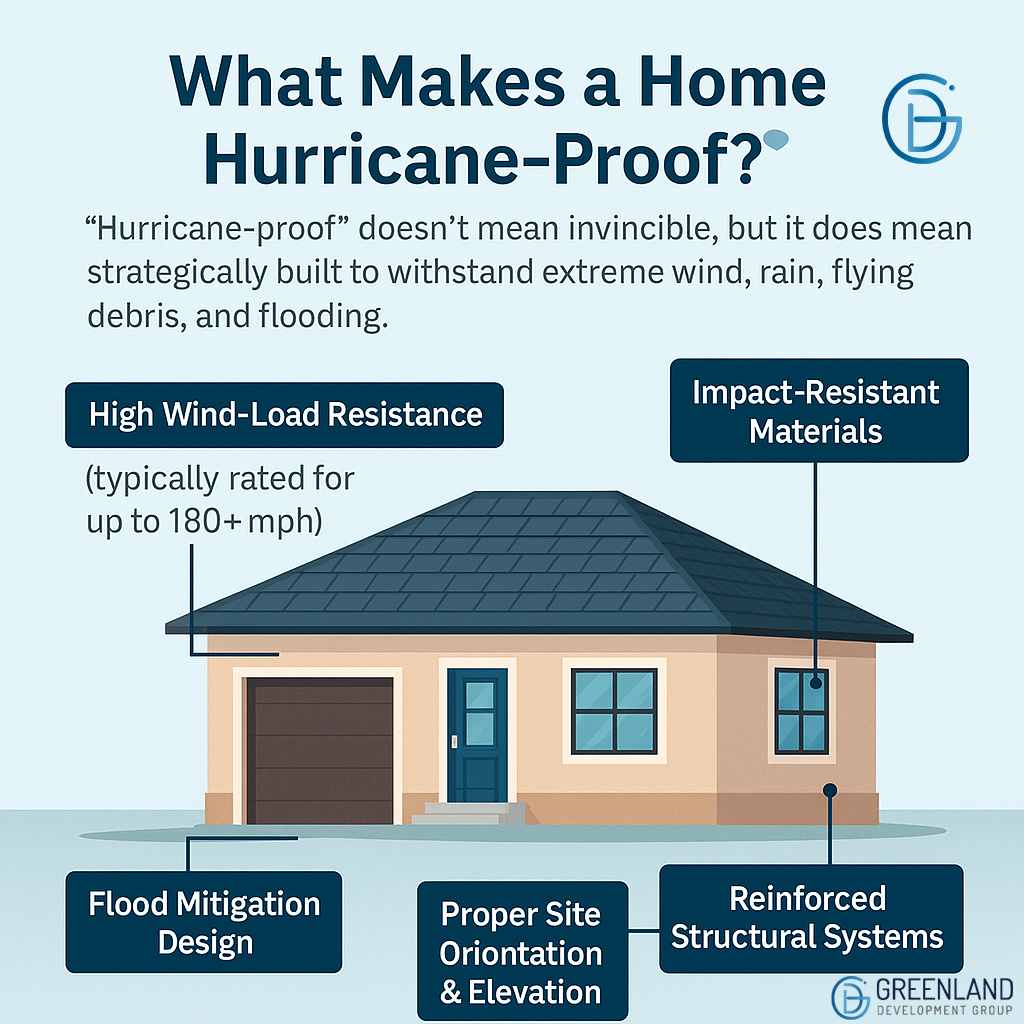
“Hurricane-proof” doesn’t mean invincible, but it does mean strategically built to withstand extreme wind, rain, flying debris, and flooding common during tropical storms and Category 3–5 hurricanes.

The need for hurricane proof homes Florida is critical in today’s climate, making it essential for builders to adopt the latest technologies.

To achieve this, a hurricane-proof home in Florida must be designed and built with:

  • High wind-load resistance (typically rated for up to 180+ mph)
  • Impact-resistant materials
  • Reinforced structural systems
  • Flood mitigation design
  • Proper site orientation and elevation

Our construction process focuses on strengthening every potential weak point -from the foundation to the roof.

Our Hurricane-Proof Building Approach

Our designs for hurricane proof homes Florida are tailored to withstand the most intense weather.

1. Reinforced Foundations

Every storm-resistant home starts with a solid base. We use:

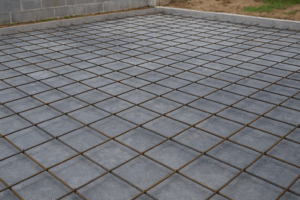
  • Engineered slabs and footings with steel reinforcement
  • Soil testing and grading to prevent erosion and shifting
  • Elevated slab construction in flood-prone zones

This prevents hydrostatic pressure and water intrusion during surge or heavy rain.

2. Concrete Block Construction (CMU Walls)

CMU wall construction with hurricane straps in a Florida home build

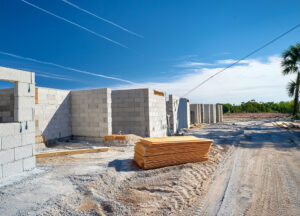
CMU walls are our go-to system for hurricane-proof homes in Florida. These walls are:

Choosing hurricane proof homes Florida ensures that your investment is safe and secure.

  • Structurally superior to wood framing
  • Better at resisting uplift and lateral wind forces
  • Fire-resistant and termite-resistant

We pour reinforced grout cells and use hurricane straps to tie the wall system into the foundation and trusses.

3. Impact-Rated Windows and Doors

Installed hurricane-rated impact window on new Florida home

Instead of storm shutters, we install hurricane impact windows and doors with:

  • Laminated glass layers to resist shattering
  • Reinforced frames with multi-point locks
  • Ratings tested for windborne debris

They meet Florida Building Code requirements and eliminate the need for plywood in storm prep.

4. Code-Plus Roofing Systems

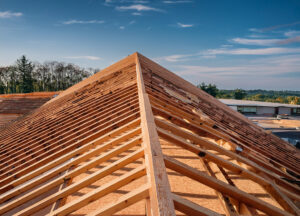
Hip roof with hurricane ties for wind resistance in Florida construction

Your roof is the first line of defense — and the most common failure point. We build with:

Incorporating hurricane proof homes Florida into your building plans offers peace of mind during storm season.

  • Hip roof designs (more wind-resistant than gables)
  • Secondary water barriers (peel & stick underlayment)
  • Roof sheathing ring-shank nails + hurricane ties
  • Metal or high-wind asphalt shingles rated up to 130–150 mph

We also offer spray foam insulation under the decking, which adds structural support and energy efficiency.

5. Smart Drainage and Flood Elevation

Hurricane-proof homes must manage both wind and water. We include:

  • Proper lot grading and site drainage
  • French drains, swales, and sump systems (when required)
  • Raised slabs or pilings for coastal and low-lying zones

We design all homes in compliance with FEMA Flood Zone Regulations and local municipality standards.

Investing in hurricane proof homes Florida can lead to significant savings on insurance premiums.

Building to Code — and Beyond

Meeting Florida Building Code is mandatory. But truly hurricane-proof homes go beyond the minimums. We build to “code-plus” standards by incorporating:

  • Optional upgrades like concrete roof decks
  • Garage door reinforcements (rated for impact and uplift)
  • Structural connectors throughout the building envelope

Our process is informed by real-world hurricane damage studies, ensuring our builds stand up to the worst-case scenarios.

With the rise in demand for hurricane proof homes Florida, our strategies are continuously evolving.

Why It Matters to Florida Homeowners


Florida’s coastal location makes it the most hurricane-prone state in the U.S. That means:

  • Insurance premiums are rising — stronger builds can lower them
  • Power outages and flooding are common — design matters
  • Buyers want resilient homes — demand is growing in the resale market

Whether you’re building a custom home or investing in new construction, storm-ready features protect not only your family, but your long-term investment.

Frequently Asked Questions

Many homeowners are now prioritizing hurricane proof homes Florida as a necessity rather than an option.

Are hurricane-proof homes more expensive to build?
They can be slightly higher in upfront cost, but often save thousands in insurance, repairs, and avoided damage over time.
Can I retrofit an existing home to be hurricane-resistant?
Yes — impact windows, reinforced garage doors, and roof tie-downs are common upgrades. But starting from scratch is always more effective.
Do you offer spec homes or custom builds with hurricane-proof options?
Yes. Greenland offers both spec homes built to hurricane-resistant standards and full custom home services with tailored storm-prep solutions.

Why Choose Greenland Development Group

    • ✅ Licensed and insured Florida general contractor

Our team is dedicated to providing the best in hurricane proof homes Florida and ensuring customer satisfaction.

  • ✅ Decades of experience in storm-prone counties
  • ✅ Full-service design-build team with engineering support
  • ✅ Transparent pricing and timeline control

We don’t just build homes — we build safe spaces. Homes that stand strong through Florida’s harshest seasons.

Get a Free Consultation
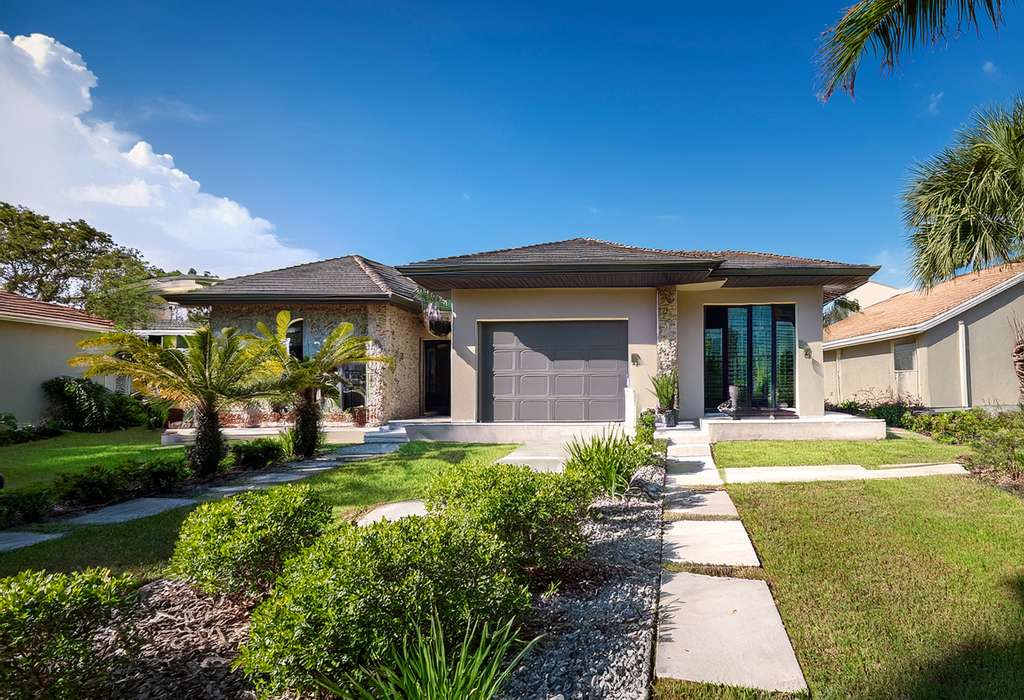
Considering building a hurricane-proof home in Florida? Greenland Development Group can help you plan it, permit it, and build it the right way from day one.

👉 Contact us today for a free consultation and site evaluation. Let’s make your future home storm-ready — and built to last.
Discover how our hurricane proof homes Florida can transform your living experience, making it safe and secure.

CategoriesPermitting

Permitting 101: How the Florida Construction Permit Process Works

Navigating the Florida construction permit process can be daunting for homeowners and investors alike. Whether you’re building a custom home, planning a commercial buildout, or developing a build-to-rent (BTR) community, securing the right permits is a legal and logistical necessity. At Greenland Development Group, we understand how critical the permitting phase is to the success of your project—and how easily it can delay your timeline or inflate your costs if not handled properly.

In this guide, we’ll walk you through every aspect of the Florida construction permitting process: what permits you need, how long they take, common pitfalls to avoid, and why working with a licensed contractor can save you time, money, and stress.

What is a Construction Permit and Why Do You Need One in Florida?

A construction permit is an official approval from your local municipality or county that allows you to begin work on a building or remodeling project. In Florida, this is required for:

    • New residential or commercial construction
    • Additions or alterations to existing structures
    • Electrical, plumbing, and HVAC installations
    • Roof replacements, structural changes, or load-bearing modifications
    • Demolition work

Failing to obtain a permit in Florida can result in:

  • Costly fines
  • Work stoppages
  • Legal liability for non-compliance
  • Issues when selling or refinancing the property

Who Issues Construction Permits in Florida?

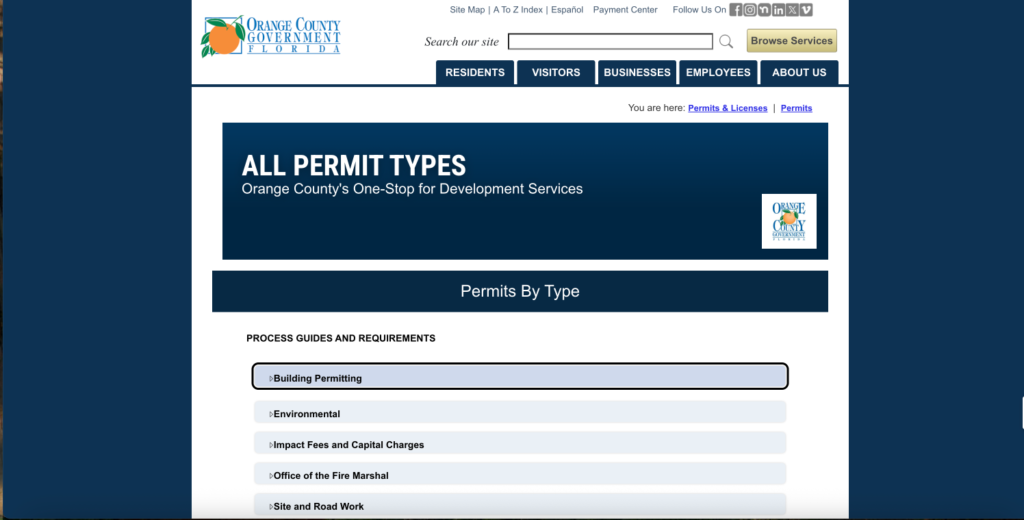
Permits are typically issued by the local Building Department or Municipal Building Division where the property is located. Major cities and counties—such as Orlando, Tampa, Orange County, or Miami-Dade—have their own online permitting portals.

You’ll often be required to submit:

  • Construction drawings (signed/sealed by a licensed architect or engineer)
  • Site plans and surveys
  • Permit application forms
  • Energy compliance forms (especially for new residential builds)
  • Structural load calculations

Greenland Development Group handles all of these submissions on behalf of our clients.

Step-by-Step: The Florida Construction Permit Process

1. Project Planning and Site Analysis

Before applying, you or your contractor must:

  • Determine zoning and land-use restrictions
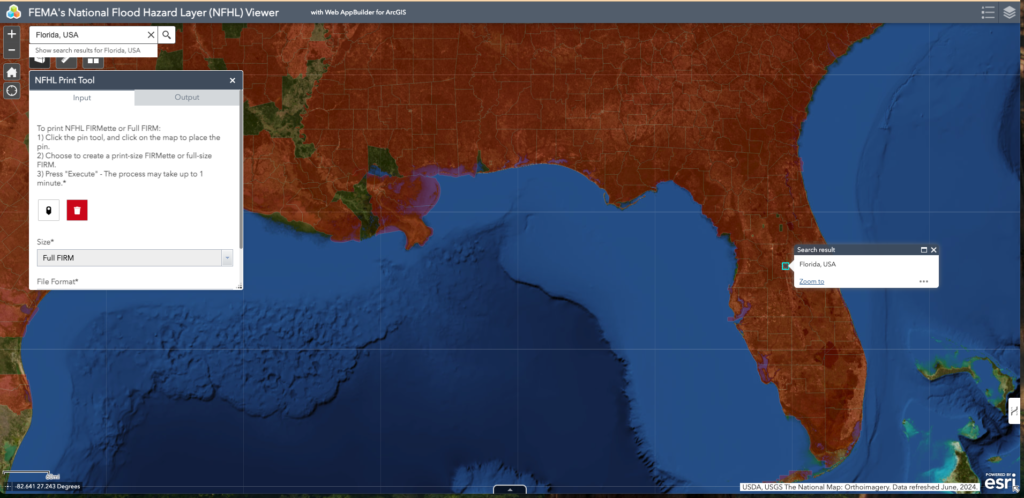
  • Review FEMA flood zone maps
  • Ensure compliance with the Florida Building Code (FBC)

A licensed general contractor, like Greenland Development Group, will perform these evaluations and identify whether variances or special permissions are required.

2. Prepare and Submit Permit Application

Once architectural plans and engineering documents are complete:

  • Submit the full permit application package to the local Building Department
  • Include notarized owner-builder forms (if applicable)
  • Pay the initial permitting fee (varies by county and project scope)

3. Plan Review & Corrections

The local building officials will:

  • Review for zoning, structural, mechanical, and energy compliance
  • Return comments if revisions are needed
  • Approve the plan once all requirements are satisfied

Average review times:

  • Residential permits: 1–4 weeks
  • Commercial projects: 3–6 weeks (or longer for multi-use buildings)

4. Permit Issuance

Once approved:

  • Your permit will be issued with a job card and inspection schedule
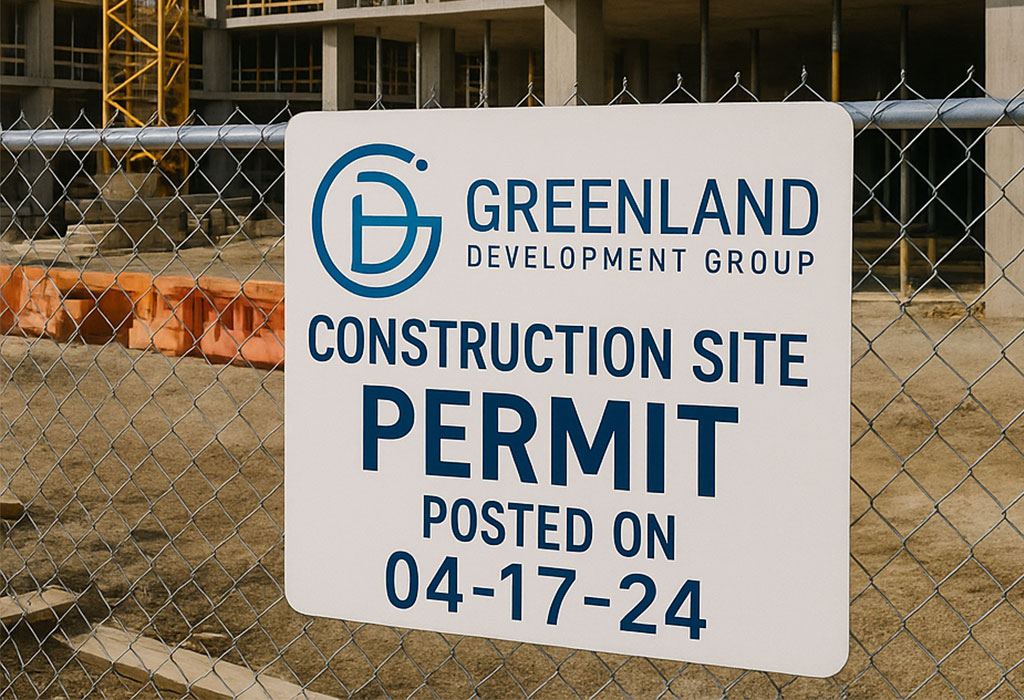
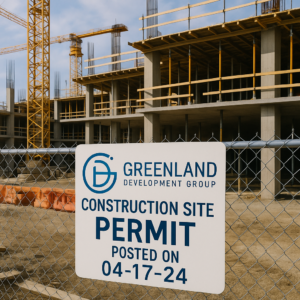
  • Post the permit visibly at the job site before work begins
  • Notify subcontractors and coordinate schedules

5. Inspections During Construction

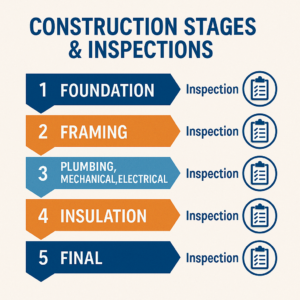
Different phases require official inspections, including:

  • Foundation and slab
  • Rough framing
  • Electrical, plumbing, HVAC
  • Roofing and insulation
  • Final inspection and certificate of occupancy (CO)

Florida construction permit process

Failing any inspection will delay the project until corrections are made and a re-inspection is approved.

Common Pitfalls to Avoid

  • Starting work without a permit – Even “minor” jobs may require one
  • Incorrect or missing documents – One small omission can trigger major delays
  • Hiring unlicensed contractors – You’re liable for code violations and insurance issues
  • Ignoring zoning overlays or HOA rules – Especially in Central Florida neighborhoods
  • Skipping plan revisions – Not addressing reviewer comments promptly can stall your build for weeks

Why Work With a Licensed Florida General Contractor?

At Greenland Development Group, we manage the entire Florida construction permit process for our clients—from custom homes to complex commercial projects. Here’s why working with us makes a difference:

  • ✅ Accurate submittals that reduce rejection risk
  • ✅ Expedited communication with building departments
  • ✅ Code compliance baked into every design
  • ✅ Full project management so you don’t have to navigate the red tape

We’re fully licensed and insured, with decades of experience across Orlando, Tampa, Fort Myers, and surrounding areas.

How Long Does the Florida Permit Process Take?

Timeframes vary based on location, project type, and backlog, but here’s a general estimate:

Project Type Time to Issue Permit
Single-family home 2–4 weeks
Commercial tenant buildout 4–6 weeks
Build-to-Rent developments 6–8+ weeks

Working with an experienced team like Greenland can cut down on delays significantly.

How Much Do Construction Permits Cost in Florida?

Permit costs vary county by county and depend heavily on the type and size of the project. Some counties base fees on square footage, while others may calculate fees based on construction valuation or project type.

Additional fees may apply for:

  • Impact fees
  • Fire review
  • Utility hookup approvals
  • Plan resubmissions or third-party inspections

We provide transparent estimates for permitting fees during the proposal phase so there are no surprises.

Final Step: Certificate of Occupancy (CO)

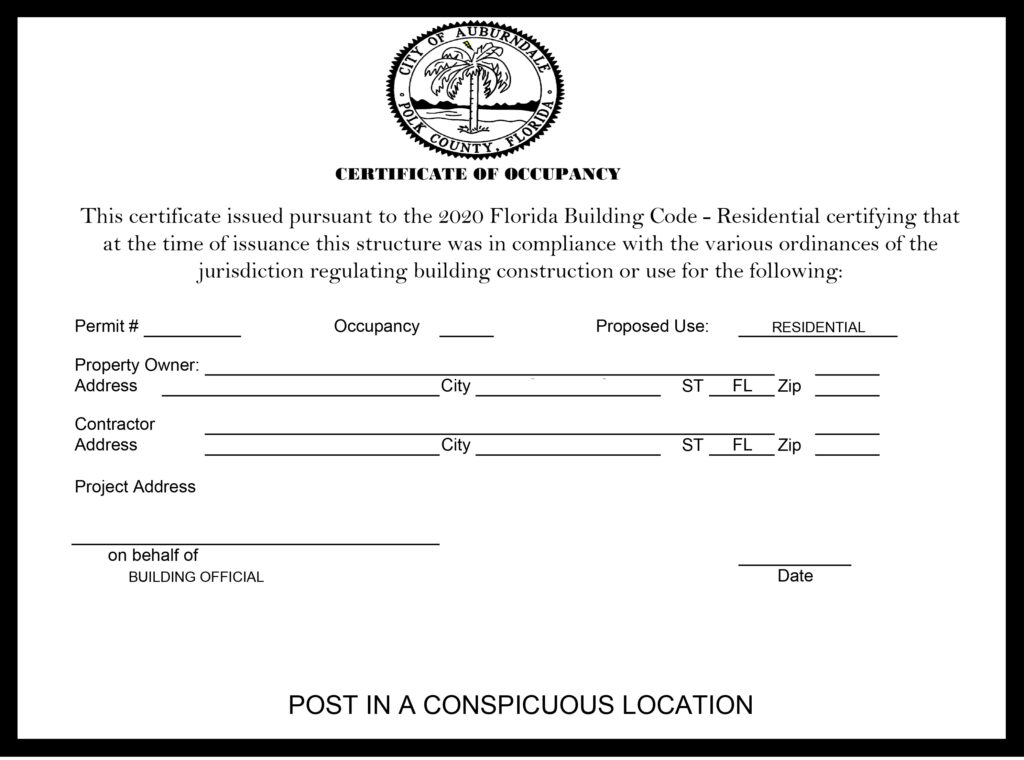
After passing final inspections, the Building Department issues a Certificate of Occupancy—officially approving the structure for use or residence. This document is critical for:

  • Real estate closings
  • Insurance activation
  • Moving tenants into commercial or BTR units

Ready to Start Your Project? Let Greenland Handle the Permits

Whether you’re a homeowner dreaming of a custom home or an investor building a multifamily portfolio, don’t risk delays or code violations. Greenland Development Group will manage every aspect of your Florida construction permit process so you can focus on your goals.

🚀 Contact us today for a free project consultation
📍 Serving Orlando, Tampa, and all of Central Florida
📞 +1-(689)-245-2506
📧 info@greenlanddevelopmentgroup.com

Commercial buildout project in Central Florida
CategoriesCommercial General Contractor

What Is a Commercial Buildout? A Guide for First-Time Business Owners

If you’re launching a new business or expanding your current operation, one term you’re likely to encounter early in the process is commercial buildout. Whether you’re opening a restaurant, retail shop, medical office, or coworking space, understanding what a commercial buildout entails is essential to making informed decisions that will impact your budget, operations, and long-term growth.
Read more “What Is a Commercial Buildout? A Guide for First-Time Business Owners”

CategoriesBuild To Rent Commercial New Construction

Build to Rent Developers in Central Florida: The Future of Real Estate Investment

As housing needs shift and homeownership becomes increasingly out of reach for many Americans, the rise of build-to-rent (BTR) communities is redefining the landscape of residential real estate. Purpose-built for long-term rental rather than sale, these developments offer both tenants and investors a strategic solution to modern market challenges. At the heart of this shift are build to rent developers—specialized construction and development partners who are leading the charge in creating durable, efficient, tenant-focused housing across the country.
Read more “Build to Rent Developers in Central Florida: The Future of Real Estate Investment”

Florida Homeowners Should Avoid risks of unlicensed contractors in Florida
CategoriesGeneral Contractor

Understanding the risks of unlicensed contractors in Florida

Hiring licensed professionals protects your construction investment and ensures compliance.

In the dynamic Florida construction market, the temptation to cut costs by hiring unlicensed contractors is a trap many property owners fall into—often to their own detriment. Whether you’re a homeowner looking to renovate or a real estate developer managing a build-to-rent project, the risks of unlicensed contractors in Florida are real and potentially devastating.
At Greenland Development Group, we’ve seen firsthand how choosing the wrong contractor can derail timelines, inflate budgets, and expose clients to legal consequences. In this article, we’ll break down:
Read more “Understanding the risks of unlicensed contractors in Florida”

CategoriesCustom Home

How Long Does It Take to Build a Custom Home in Central FL?

Key Highlights

  • Building a custom home in Central FL usually takes about 12 to 14 months. This clock starts at the first meeting and ends when you move in.
  • There are two main stages in this process: pre-construction (which takes 4 to 6 months) and construction (which takes 9 to 11 months).
  • Pre-construction involves site visits, design work, choosing materials, and getting necessary permits.
  • During the construction phase, they prepare the site, build the house frame, add the roof, set up utilities, and complete both exterior and interior finishes.
  • The timeline can change because of factors like the size of the home, weather conditions, and the availability of materials.

Read more “How Long Does It Take to Build a Custom Home in Central FL?”